
They wake up thinking about existential business risk. That's what I actually solve.
Why most AI products fail
enterprise adoption.
Executives hire thinkers. The site shouldn't just say "I am experienced" — it should say "I see the future before others do." Here's how I think about it.
AI can do it. Users won't trust it.
Most AI products are built to demonstrate capability, not to earn trust. The UX operating model has to shift from "feature showcase" to "confidence architecture" — every interaction has to reduce uncertainty, not increase it. That's a fundamental design leadership problem, not an engineering one.
Your product is only as coherent as your org chart.
Fragmented products are almost always a symptom of fragmented teams. When PM, design, and engineering aren't aligned at the leadership level, the product shows it. The fix isn't a design sprint — it's organizational clarity. I fix both simultaneously because you can't solve one without the other.
AI products need a new design grammar.
The old UX playbook — user flows, wireframes, usability tests — still applies, but it's not enough. AI-native products require designing for ambiguity, failure modes, and trust recovery. Most design teams haven't updated their methods. That gap is where enterprise deals are won and lost.
Three ways to engage.
All designed to move fast.
Not pixel polish. Not production outsourcing. Strategic transformation with executive accountability and measurable outcomes.
AI Product & Design Transformation
Your embedded strategic operator. I function at the CPO/CDO level — setting product strategy, aligning your organization, and representing design at the executive table. This is not design management. This is organizational transformation.
- AI product strategy & roadmap ownership
- PM / Design / Engineering alignment at leadership level
- Design org building, hiring & culture
- Executive reporting — board-ready, no jargon
Product Experience Audit & Strategy
An outside executive eye on your product with a bias toward revenue and enterprise adoption. I find where your product is losing deals, losing trust, and losing users — then hand you a roadmap your entire team can execute against.
- Enterprise UX audit — conversion blockers, trust gaps, adoption friction
- AI workflow & trust architecture review
- Competitive positioning through experience lens
- Prioritized transformation roadmap
0 → Enterprise Product Design
Full ownership of the product experience layer — from zero to launch or from v1 to enterprise-grade. I bring the research, the design system, the team alignment, and the engineering handoff. You ship. Users trust it. Enterprise buyers close.
- User research & AI trust model design
- End-to-end product design & prototyping
- Design system & component governance
- Engineering-ready handoff & QA partnership
Who I work best with.
High-end operators are selective. I work with companies where design can genuinely change the business outcome. If that's not the context, I'll tell you directly.
- Seed to Series C AI-native startups
- B2B SaaS teams adopting AI agents to uplevel customer experience
- Founders transitioning from founder-led design
- Companies who believe in design-led product-market-fit
- Organizations where product experience is a strategic differentiator
- You believe PMs can replace designers to do design to save cost
- Pixel-polish-only or production outsourcing requests
- Short-term task execution without strategic ownership
- Companies without product ownership clarity
- Teams that don't involve design in business decisions or customer conversations
Which describes you right now?
I need strategic leadership, not just a designer.
Scaling fast and need someone who can run the function at the executive level.
Path 01 — AI Transformation →My product isn't converting. Enterprise buyers aren't trusting it.
Need an outside expert to find the friction and hand you a roadmap.
Path 02 — Product Audit →I need to design and ship a new product — fast.
Full ownership of the product experience from zero to enterprise-grade.
Path 03 — 0→Enterprise →Proof, not promises.
Sophisticated buyers want causal proof. Here's what changed, why it changed, and what it meant for the business.
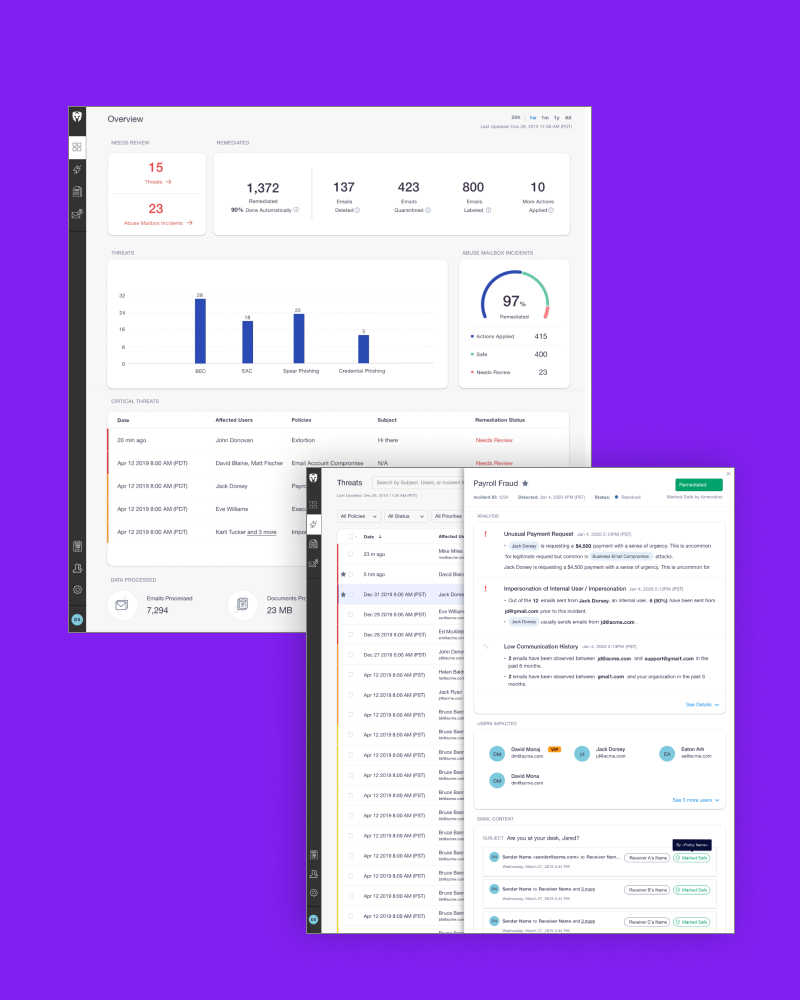
Revenue grew from $15K to $3M during engagement
Armorblox · AI Cybersecurity · 2019–2020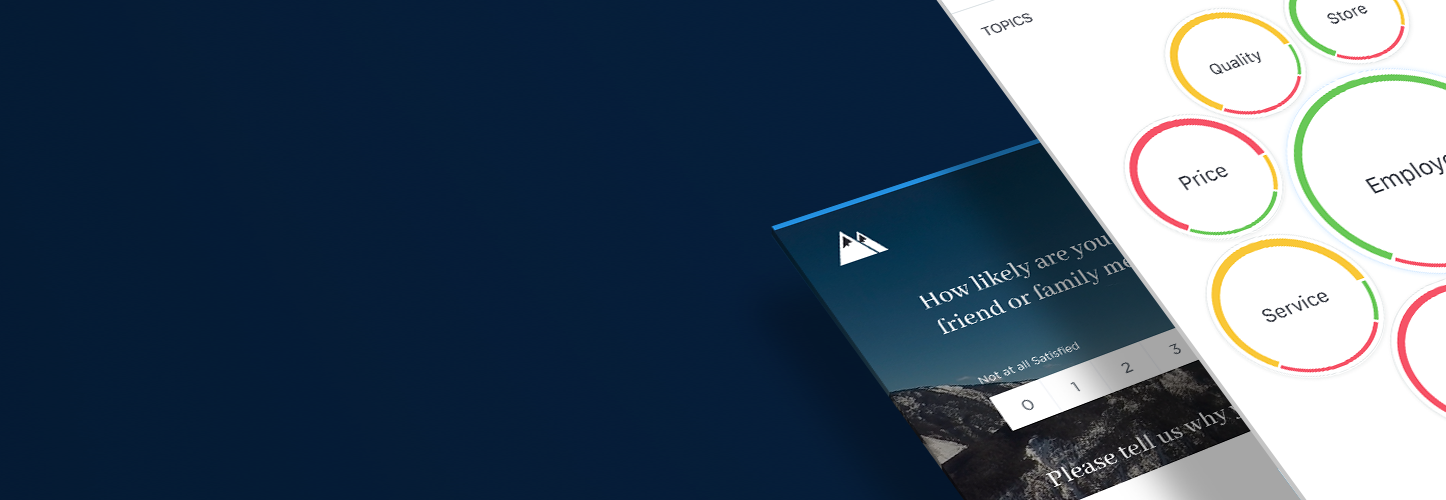
Redesigned admin experience across 5 enterprise products
Medallia · CX Platform
Interactive learning shipped to millions of students
Microsoft · Education · 2015What you get
in 90 days.
No endless discovery. No consultant theater. Real work, real velocity, real outcomes.
Days 1–30: Diagnosis & Direction
- Product audit — UX gaps, trust failures, conversion blockers
- Stakeholder alignment session with executive team
- Prioritized transformation roadmap engineering can act on immediately
- First design artifacts delivered in week 2
Days 31–60: Build & Ship
- Core product flows designed, prototyped, and validated with users
- Design system foundations or expansion
- Weekly 1-page executive brief — board-ready, no jargon
- Engineering-ready handoff specs
Days 61–90: Measure & Scale
- Adoption metrics review with actionable insights
- Iteration cycles on shipped features
- Hiring brief if you're building a design function
- Recommendation for ongoing advisory or full engagement
Currently taking on 2 new client engagements.
Typical waitlist: 2–4 weeks.